
Banoptikon: The game
Video for a migrant run day care center in Athens
In preparation for creating the video game, we have decided to follow the story of Munting Nayon - a migrant-run day care center in Athens. The school is in danger of being shut down by the state authorities due to structural problems of the building where it is based at. The story evolving around the possible closure of the school is for us a rich field of inspiration for the video game, combing subjectivities and scenarios that shape the current presence of migrants in Greece. This is a first video we produced about the current situation of the migrant-run school. More information about the school can be found at the website of Kasapi - the Filipino migrant organisation that has found Munting Nayon.
Munting Nayon from KASAPI-Hellas – Unity of Filip on Vimeo.
Digital platform
[email protected] will attempt to stimulate the formation of new transnational digital networks by creating a digital platform that will attempt to aggregate existing web applications which can be used to host migrant cultural production in all phases of migrant itineraries. Mobile to web, geomap, and social web applications will be mashed up in order to filter and represent migrant cultural performances. All migrant communities that will be involved in different ways during the course of the project will be invited to participate in the designing and the enrichment of this web platform with content (text, sound and music, images, videos).
Online game
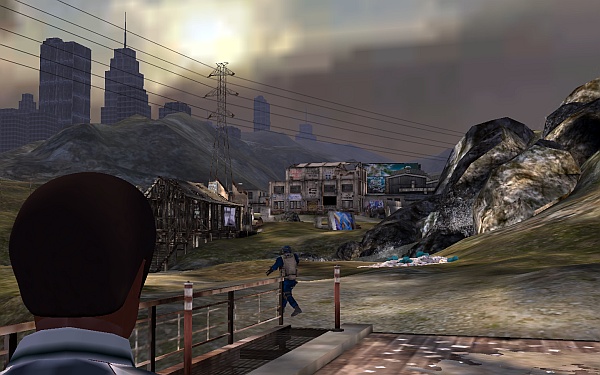
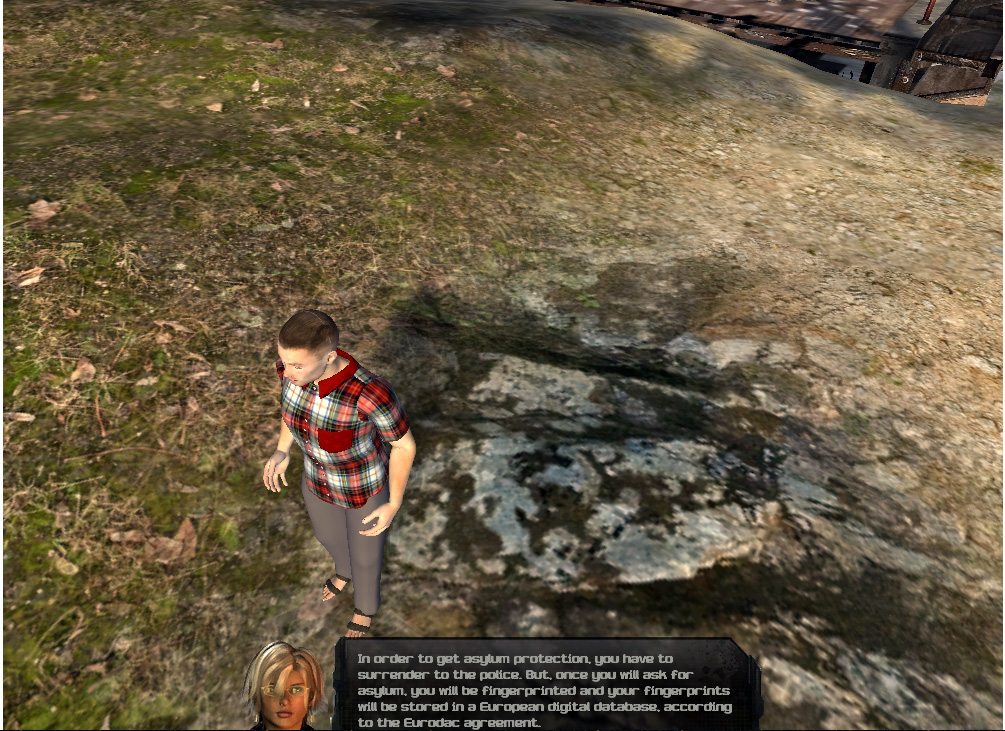
[email protected] will explore the themes and findings of the research project as a whole through the production of an interactive digital game. The game will become an intercultural product of collaboration between researchers specializing in different fields of social sciences and originating from different EU member states. The game will be based on a storyline, connecting various migrant movements. It will demonstrate in a visual manner the experiences that migrants and migrant women in particular, encounter during the crossing of borders, but also in their everyday lives as Europe’s non-citizens, while also emphasizing how these movements may have a positive effect on European societies - transforming power hierarchies of gender, nation, race and class. Through this highly effective medium both adults and children will be able to participate in digital crossings of borders and engage in different forms of performativity, which will visualize the findings of research and analysis.
The production of the online game is co-ordinated by


